The Small Morning Spoonful More UK Women Are Quietly Trying This Year

You've probably noticed it too — that friend, colleague or family member who suddenly seems less bloated, has steadier energy by mid-afternoon, and fits into last year's jeans again. Not "worked out twice a day" different — just steadier, week after week.
Turns out, it's not a new gym membership. It's not a diet. It's something much smaller, done every morning, that almost nobody talks about publicly — until now.
For a lot of the women who've made the switch, it started with something almost embarrassingly small: what they do with a spoon, first thing every morning, before anything else.
In an internal survey of over 4,318 women who followed this exact phase-based structure, the most commonly reported pattern was noticeably less bloating and better energy the longer they stuck with it.
"I've tried every plan going and quietly given up on all of them. What got me through this one was how little it asked of me at the start." — Priya, 36, Manchester
It started with one small frustration
Sarah, 41, from Leeds, describes herself as "not a diet person." She'd tried the usual things — cutting carbs for a week, a gym pass she used twice, an app that made her log every biscuit. None of it stuck.
"I wasn't lazy," she says. "I was just tired of plans that assumed I had two hours a day and a meal-prep fridge like on Instagram. I have a job, two kids, and about twenty minutes to myself before the house wakes up."
What changed wasn't willpower. It was realising she'd been trying to fix the wrong thing entirely.
The part nobody explains properly
Here's the part Sarah says nobody tells you: it usually has very little to do with discipline.
She didn't lack willpower. She lacked information nobody had actually handed her. Every plan she'd tried focused on cutting something out — carbs, snacks, portions. None of them addressed what was quietly working against her every single day, in the background, without her noticing.
That's usually where the real problem hides. Not in what's on your plate — in three or four small things running underneath it that almost nobody explains properly.
Call it the first-hour gap — the stretch between waking up and actually doing anything, which is exactly where most plans skip straight past. What quietly slips through it: whatever the body has been holding onto overnight, whatever goes in first thing (and in what order), and how much sleep debt got carried into the morning. Change the order those three things happen in, and everything after tends to get easier. That's the whole idea behind what people have started calling the morning burn approach.
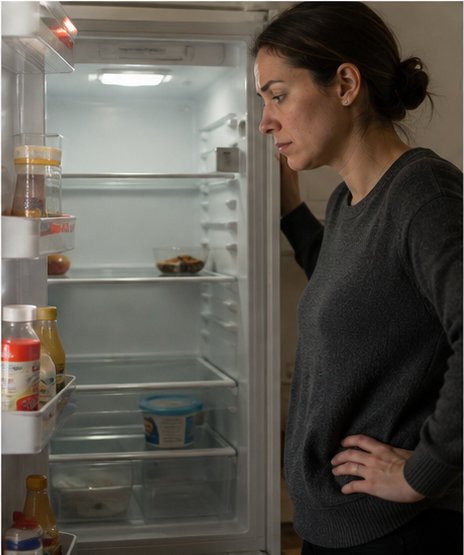

A much simpler structure
What's quietly gaining attention is a much simpler structure: a 3-phase home habit, done in order, that works with the body instead of fighting it — instead of one big overwhelming change.
People are calling it, informally, the "morning burn" approach — because it starts with what you do in the first hour of your day, not with what you cut out.
This is the spoon habit Sarah mentioned — people following the habit have started calling it The Morning Spoonful, and it's simpler, and stranger, than most people expect. One of the more specific pieces of the habit is deceptively small: a spoonful of a tangy, slightly warming blend — vinegar-based, with a few kitchen-cupboard extras stirred in — taken first thing before anything else. It sounds too small to matter — which is exactly why most people skip past it.
Why this particular combination
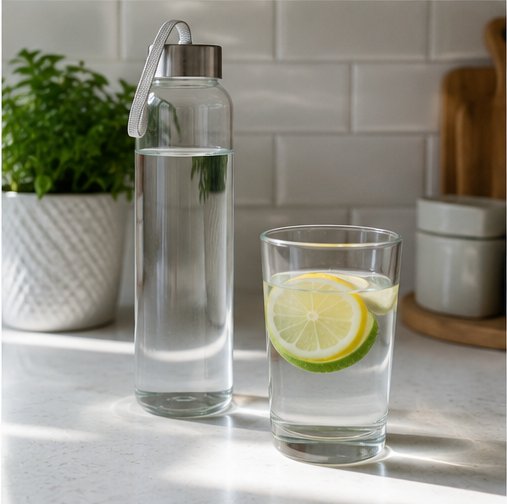
Each part of that blend earns its place, and none of it is random. Apple cider vinegar has been studied for its effect on how quickly the stomach empties and how the body responds to blood sugar after eating — some research links a small amount taken before anything else to feeling fuller sooner, which is part of why timing matters more than the amount. Ginger has a long, well-documented history of settling digestion, and a lot of morning bloating has more to do with digestion than with what was eaten the day before. Cinnamon has been studied for a modest, supportive role in blood sugar regulation, which is part of what's often behind that mid-afternoon energy dip. And the lemon isn't just there for taste — it's mostly about starting the day properly hydrated, something most morning routines skip entirely.
None of that replaces medical advice, and none of it works as a stand-alone fix — it's one piece of the 3-phase structure, not a substitute for it. What's still worth knowing before starting is the exact measurements, the right time of day, and which of the 3 phases to begin with — starting in the wrong phase is the most common reason people say they gave up in the first week. That's exactly what the free assessment below is built to work out for you.
The catch is that not everyone starts in the same place. Sarah's sister, for instance, sleeps fine but barely eats before midday — she needed a completely different phase to start with, not Sarah's.
No gym. No food scale. No 5am alarm. Just a specific order of small things, done daily.
Want to know what's actually in the spoonful before you decide?
Out of curiosity — what's your main goal right now?
🎈 Reduce bloating & belly fat→ ⚖️ Lose weight overall→ 💪 Improve physical health→ ✨ Boost self-esteem→Not sure which phase you'd start with? Find out in about a minute →
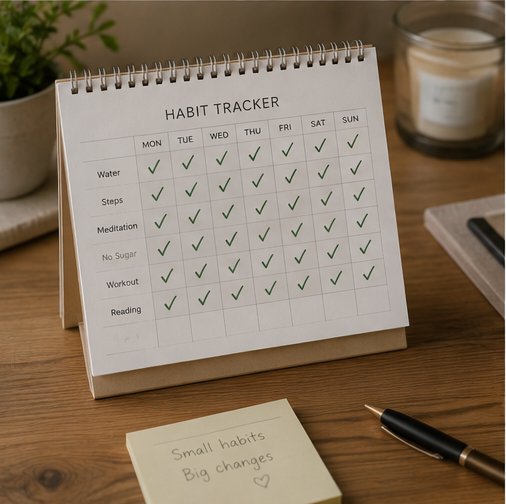
What the research actually says
This lines up with something well documented in sleep science: poor sleep disrupts the hormones that regulate appetite (ghrelin and leptin), making cravings and portion control harder the next day. The NHS recommends adults get 7 to 9 hours of sleep a night — yet almost no mainstream diet plan is actually built around protecting that time.
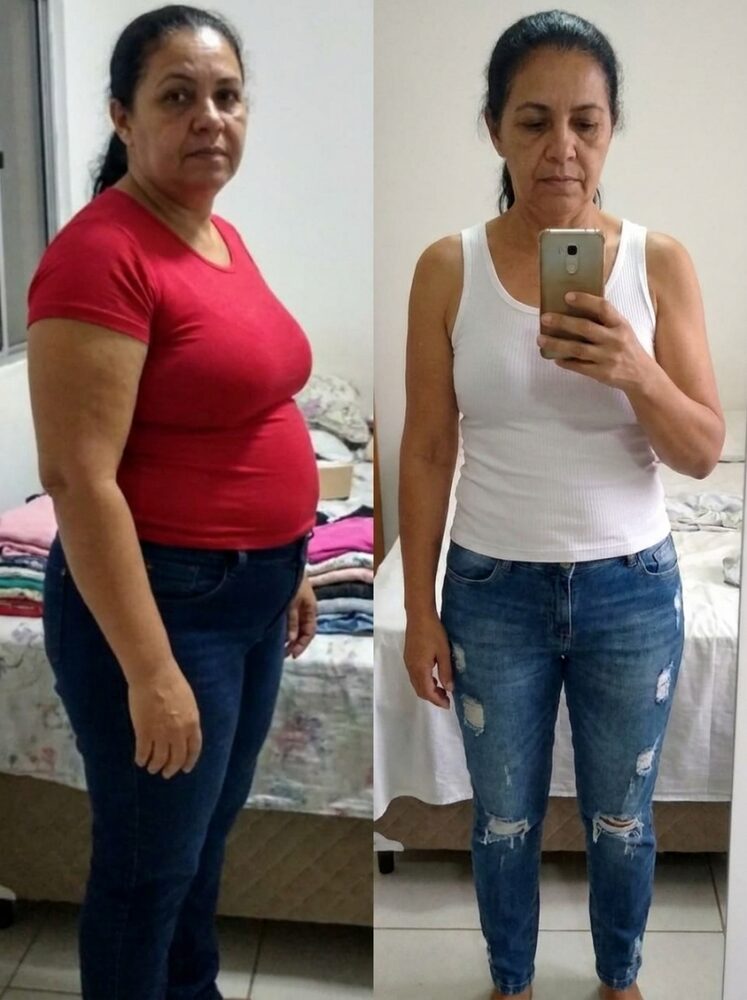
One of the photos shared by a woman following the same structure — individual results vary.
What actually changed for Sarah wasn't the scales, she says — it was that she stopped bracing herself for the three o'clock slump. Then someone at a birthday do asked, a bit too directly, what she'd been doing differently. "I felt daft saying it out loud," she laughs. "It's a spoonful, and the order I do a few things in."
Where to actually start
That 3-phase structure — The Morning Spoonful included — is exactly what's laid out, step by step, in a simple, printable-from-your-phone home habit called the Morning Burn Protocol, which walks you through each phase, plus the meals and simple daily movement habits that go with it.
It's not a lifestyle overhaul. It's designed for the version of your morning that already exists — just organised differently.




 84
84 56
56
 112
112 45
45 67
67Is this safe to try?
The habit is built around lifestyle basics — sleep, hydration, meal timing and gentle daily movement — nothing extreme or restrictive. That said, it isn't medical advice, so if you're pregnant, breastfeeding, or managing a health condition, it's worth a quick chat with your GP before starting anything new, same as with any habit change.
I'm on medication — can I still follow it?
Most women following the structure are able to fit it around existing habits, including medication schedules, since it doesn't ask you to cut out food groups or fast for long stretches. If you're on medication for a specific condition, it's still sensible to check with your doctor or pharmacist first — they know your situation better than any article can.
How fast will I actually see something?
In the internal survey of the 4,318 women mentioned above, most described noticing less bloating and steadier energy the longer they kept at it, with some describing visible changes over time. It's gradual by design, not an overnight fix — and individual results vary.
Do I need to overhaul my whole diet?
No. That's the part most plans get wrong. The structure is designed to slot into the meals you already eat, not replace them — it's about the order and timing of a few small things, not a restrictive meal plan.
Curious which phase you'd start with? There's a free 1-minute assessment based on the same structure — it's how Sarah found her starting point.
Take the Free 1-Minute Assessment →Takes about a minute — just a few quick questions about you, no email needed to see your result.