Processed Food: What It Actually Means (and What Doesn't Count)
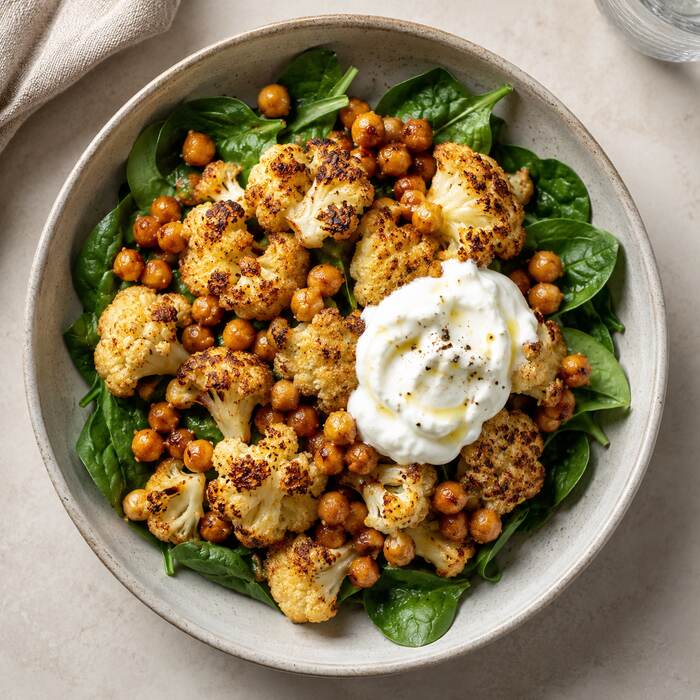
"Processed food" gets used as a blanket criticism, but the term technically covers an enormous range — from frozen vegetables to sugary snacks — and treating it all the same isn't useful.
Most food is processed in some way
Washing, chopping, freezing, canning and cooking are all forms of processing — none of them are inherently a problem, and plenty of processed food (tinned beans, frozen peas) is perfectly nutritious.
"Ultra-processed" is the more useful category
The concern in research is specifically around ultra-processed food — products with long ingredient lists of additives, designed to be highly palatable and easy to overeat, not processing in general.
What tends to fall into that category
- Packaged snacks with long, unfamiliar ingredient lists.
- Sugary drinks and heavily flavoured products.
- Reconstituted meat products like some sausages and nuggets.
What doesn't need to be avoided
Frozen fruit and vegetables, tinned fish, plain yoghurt and wholegrain bread are all technically processed, and all genuinely fine — avoiding them because of the word "processed" alone doesn't help anything.
The honest takeaway
The useful question isn't "is this processed?" — it's "what's actually in it, and how close is it to the original ingredient?"

Enjoyed this article?
Get simple, practical health tips like this straight to your inbox — no spam, unsubscribe any time.
Curious what a simple, structured morning could do for you? There's a free 1-minute assessment that builds a personalised starting point.
Take the Free 1-Minute Assessment →