How Stress Eating Differs From Hunger
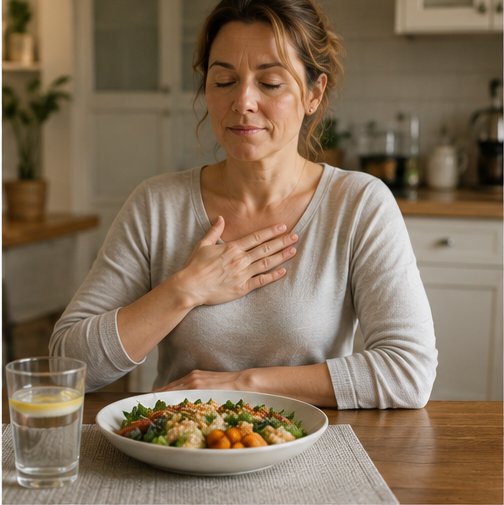
Reaching for food during a stressful period is extremely common, and it's worth understanding why it happens rather than just trying to override it with willpower.
Cortisol increases appetite directly
Elevated cortisol during stress is linked to increased appetite, particularly for high-fat, high-sugar foods specifically — a genuine hormonal pull, not just a mental habit.
Food offers real, if temporary, relief
Comfort foods genuinely trigger reward responses in the brain, providing a short-term sense of relief during a stressful moment — which is exactly why the pattern repeats.
It's different from ordinary hunger in timing
Stress eating often happens outside normal meal times and doesn't necessarily stop at fullness — a pattern that stands out from typical, hunger-driven eating.
What tends to help during stressful periods
- Naming the stress directly, rather than letting it show up only as an urge to eat.
- Having a non-food coping option ready — a short walk, a call to someone, even a few minutes of quiet.
- Not adding guilt on top — shame about stress eating tends to add more stress, continuing the cycle.
The honest takeaway
Stress eating is a real, common response to a real problem — the more effective fix usually addresses the stress itself, not just the eating.

Enjoyed this article?
Get simple, practical health tips like this straight to your inbox — no spam, unsubscribe any time.
Curious what a simple, structured morning could do for you? There's a free 1-minute assessment that builds a personalised starting point.
Take the Free 1-Minute Assessment →