PCOS and Weight: What's Actually Going On

PCOS (polycystic ovary syndrome) affects a significant number of women, and weight gain — or difficulty losing weight — is one of its most common, least talked about symptoms.
Insulin resistance is often the core issue
Many women with PCOS have some degree of insulin resistance, meaning the body needs more insulin to manage blood sugar — a state that's also linked to easier fat storage, particularly around the abdomen.
It's not a motivation problem
The same eating and exercise habits that work for someone without PCOS often produce slower or different results for someone with it — a hormonal reality, not a sign of trying less hard.
Standard advice sometimes needs adjusting
Because of the insulin resistance link, prioritising protein, fibre and reducing refined carbs specifically tends to matter more for PCOS than general weight loss advice usually emphasises.
What tends to help
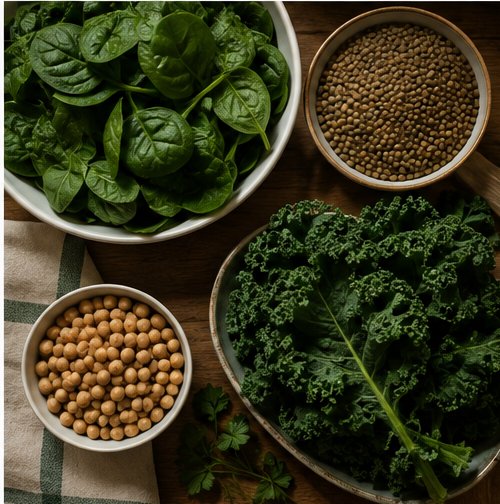
- Protein and fibre at each meal, to support steadier blood sugar.
- Regular movement, which directly improves insulin sensitivity.
- Patience with pace — progress is often genuinely slower, not a sign anything is wrong.
When to speak to a doctor
PCOS is a medical diagnosis that a GP can confirm and help manage properly, including discussing treatment options — this kind of explainer is a starting point for understanding, not a diagnosis.

Enjoyed this article?
Get simple, practical health tips like this straight to your inbox — no spam, unsubscribe any time.
Curious what a simple, structured morning could do for you? There's a free 1-minute assessment that builds a personalised starting point.
Take the Free 1-Minute Assessment →