Intermittent Fasting for Women: Does It Actually Work?
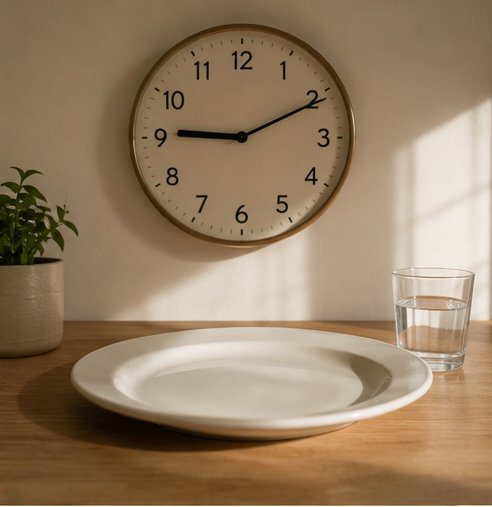
Intermittent fasting is popular advice, but a lot of it is written without much attention to how it can affect women specifically — worth understanding before assuming it's a straightforward fit.
The basic idea
Intermittent fasting means eating within a set window each day (commonly 8 hours) and fasting the rest — it works for some people by naturally reducing the time available to eat, not through any special metabolic effect.
Hormones respond differently
Some research suggests women's hormones are more sensitive to extended fasting than men's, and very restrictive fasting windows have been linked to disrupted cycles in some women — a genuine consideration, not just theory.
It's not automatically better than other approaches
Research comparing intermittent fasting to standard calorie reduction generally finds similar results for weight loss — the benefit is mainly that some people find the structure easier to stick to, not that it works through a unique mechanism.
What's worth considering before trying it
- Starting with a longer, gentler window (like 10-12 hours) rather than jumping straight to 16:8.
- Watching for signs it's not agreeing with you — disrupted sleep, mood changes, irregular cycles.
- Not forcing it if it consistently feels worse rather than easier after a few weeks.
The honest takeaway
It works well for some women and poorly for others — there's nothing wrong with trying it, but it isn't inherently superior, and it's worth paying attention to how your own body responds.

Enjoyed this article?
Get simple, practical health tips like this straight to your inbox — no spam, unsubscribe any time.
Curious what a simple, structured morning could do for you? There's a free 1-minute assessment that builds a personalised starting point.
Take the Free 1-Minute Assessment →