Anti-Inflammatory Foods: What the Term Actually Means

"Anti-inflammatory" has become a popular marketing term, sometimes stretched further than the science actually supports — worth understanding what it genuinely means.
Chronic inflammation is the relevant kind
Short-term inflammation is a normal, healthy response to injury or illness — the kind linked to weight and long-term health is chronic, low-grade inflammation that persists over time, often linked to diet and lifestyle.
Foods genuinely linked to lower inflammation
- Oily fish, rich in omega-3 fatty acids.
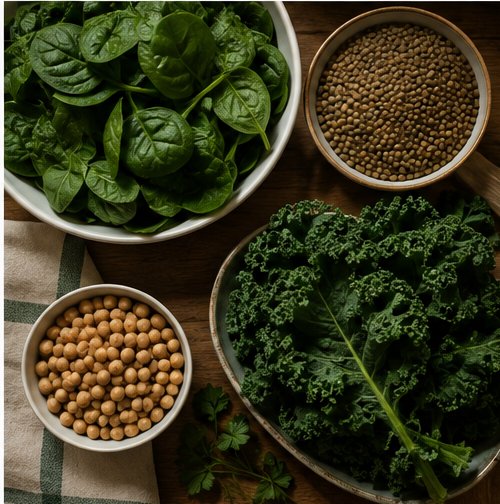
- Leafy greens and colourful vegetables, high in antioxidants.
- Nuts and olive oil, both linked to reduced inflammatory markers.
- Berries, another well-researched source of relevant antioxidants.
Foods linked to increased inflammation
Ultra-processed food, excess sugar and refined carbohydrates are consistently linked to higher inflammatory markers in research — the pattern that tends to work against the foods above.
What's worth being sceptical of
No single "superfood" meaningfully reduces inflammation on its own — the overall pattern of eating matters far more than any one ingredient marketed with the term.
The honest takeaway
The anti-inflammatory foods that hold up are mostly just a genuinely balanced, varied diet — not a specific product with the phrase on the label.


Enjoyed this article?
Get simple, practical health tips like this straight to your inbox — no spam, unsubscribe any time.
Curious what a simple, structured morning could do for you? There's a free 1-minute assessment that builds a personalised starting point.
Take the Free 1-Minute Assessment →